









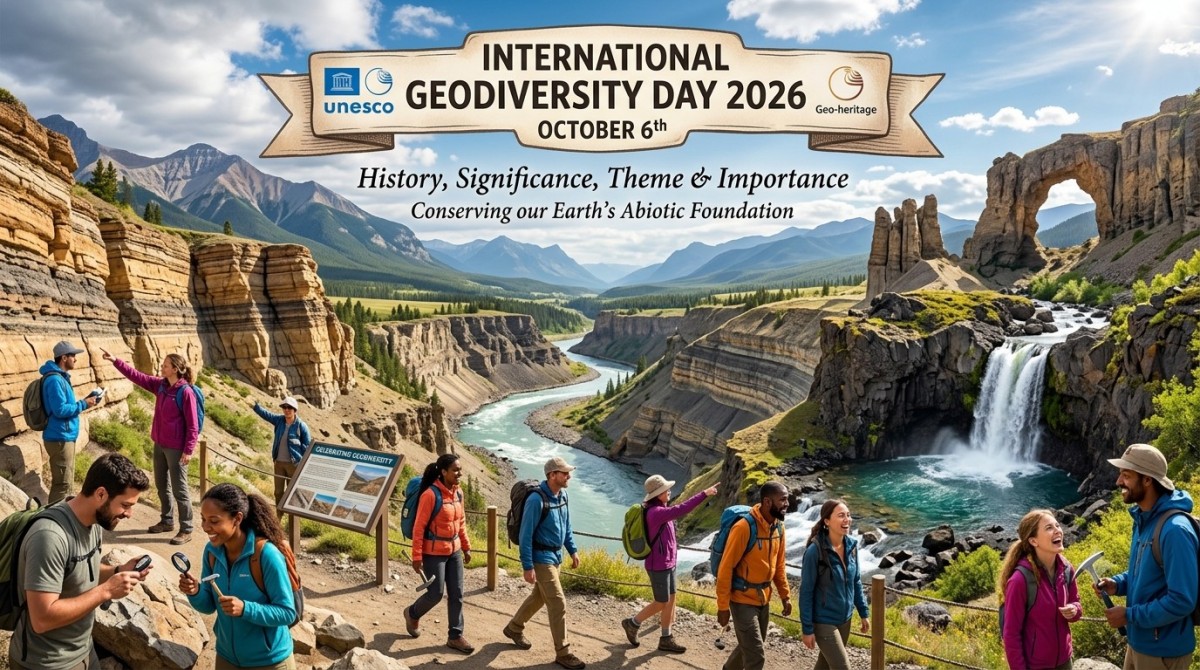
International Geodiversity Day is observed every year on 6 October to highlight the importance of Earth’s geological diversity. The day encourages people to understand the rocks, minerals, fossils, soils and landscapes that shape our planet. Moreover, it reminds us that geological features play an important role in supporting ecosystems, human communities and sustainable development.
🪨 What Is Geodiversity?
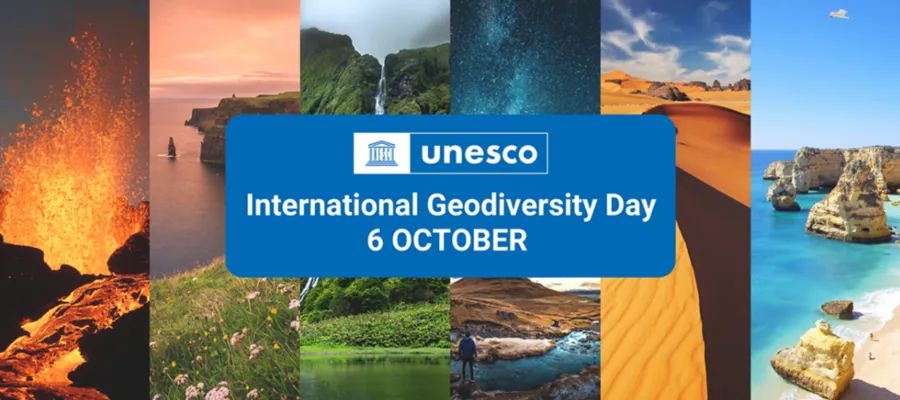
Geodiversity refers to the variety of rocks, minerals, fossils, soils, landforms and geological features found across the Earth. It also includes natural processes such as erosion, earthquakes, volcanic activity and tectonic movements.
In simple terms, geodiversity represents the non-living parts of nature. Furthermore, these features create the physical foundation for many ecosystems. They also influence water availability, soil formation, agriculture and the development of human settlements.
📜 History of International Geodiversity Day
International Geodiversity Day aims to increase global awareness about Earth’s geological diversity and heritage. UNESCO supports the observance as part of its wider efforts to promote geoscience, geological heritage, education and sustainable development.
The observance also brings scientists, educators, conservationists, students and local communities together. As a result, people can learn more about geological features and understand why their protection matters.
Furthermore, the day encourages countries and organisations to recognise important geological sites and promote responsible management of Earth’s natural resources.
🎯 International Geodiversity Day 2026 Theme
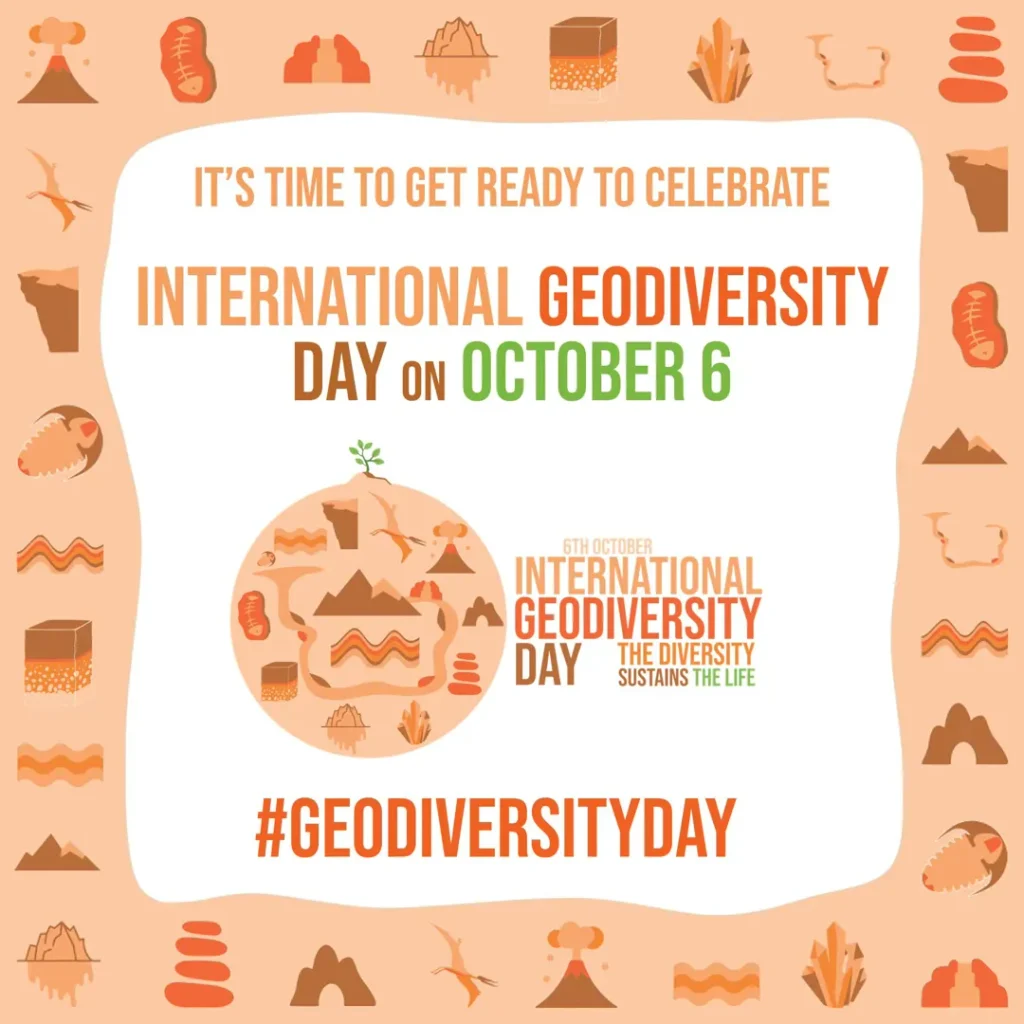
International Geodiversity Day focuses on the value of Earth’s geological diversity and the need to protect it. In addition, the day encourages people to explore how geological processes have shaped the landscapes around them.
For 2026, readers should check the official UNESCO announcement for the year’s specific campaign theme or slogan before publishing a dedicated theme reference.
🌱 Why Is Geodiversity Important?
Geodiversity supports both natural ecosystems and human activities. Therefore, protecting geological features can benefit the environment, scientific research and local communities.
Some major benefits of geodiversity include:
- 🏔️ Supports ecosystems: Rocks, soils and landscapes help create different habitats for plants and animals.
- 💧 Provides water resources: Geological formations can store and regulate groundwater.
- 🌾 Supports agriculture: Soil formation and underlying geology influence farming conditions and crop growth.
- 🪨 Provides natural resources: Minerals and rocks provide important materials for construction, technology and industry.
- 🌋 Shapes landscapes: Geological processes create mountains, valleys, caves, cliffs and other landforms.
- 🔬 Supports scientific research: Rocks and fossils provide valuable information about Earth’s history.
- 🏛️ Preserves natural heritage: Important geological sites can support education, tourism and conservation.
🌎 Geodiversity and Biodiversity
Geodiversity and biodiversity have a close relationship. The type of rock, soil, terrain and water availability can influence which plants and animals survive in a particular region.
For example, mountains, deserts, wetlands, caves and coastal areas have very different geological conditions. Consequently, each environment can support unique habitats and species.
Moreover, healthy geological systems help maintain natural processes that support ecosystems. Therefore, protecting geodiversity can also contribute to the wider conservation of biodiversity.
🔬 How Is International Geodiversity Day Celebrated?
People and organisations can celebrate International Geodiversity Day in several ways. For example, schools, universities, museums, geological organisations and environmental groups can organise educational activities and public awareness programmes.
Common activities include:
- 🧑🏫 Educational workshops and lectures
- 🪨 Rock and mineral exhibitions
- 🥾 Geological field trips
- 🌍 Environmental awareness campaigns
- 📚 School and college activities
- 📸 Photography and geological heritage competitions
- 🌱 Local conservation programmes
- 🔎 Public talks about fossils, rocks and landforms
These activities make geology easier and more interesting to understand. Moreover, they encourage students and young people to explore Earth’s natural history and develop an interest in science.
🇮🇳 Importance of Geodiversity in India
India has remarkable geological diversity, with landscapes that have developed over millions of years. For instance, the country has the Himalayan mountains, Deccan Plateau, Thar Desert, coastal regions, caves and ancient rock formations.
India’s geological features support scientific research, tourism, education and natural-resource management. In addition, several geological locations provide important evidence about the country’s geological past.
Therefore, protecting India’s geological heritage can help preserve valuable scientific and natural resources for future generations.
💡 Interesting Facts About Geodiversity
- 🌍 Earth has experienced geological changes for billions of years.
- 🪨 Rocks can preserve evidence of Earth’s geological history.
- 🦴 Fossils provide clues about ancient life and past environments.
- 🌋 Volcanic activity can create new landforms and influence soil fertility.
- 💧 Geological formations can store large quantities of groundwater.
- 🏔️ Mountains and valleys continue to change because of natural geological processes.
- 🔬 Scientists study rocks and fossils to understand how Earth changed over time.
- 🌊 Rivers, glaciers, wind and waves continuously reshape Earth’s surface.
🌏 Why Is International Geodiversity Day Important?
International Geodiversity Day reminds us that nature includes much more than plants and animals. Rocks, minerals, soils, fossils and landscapes also form an essential part of Earth’s natural heritage.
Furthermore, geodiversity influences water resources, agriculture, ecosystems, construction and human settlements. It also provides scientists with important evidence about the history and evolution of our planet.
By learning about these connections, people can make better decisions about conservation and sustainable development. As a result, International Geodiversity Day can help create greater awareness about protecting geological resources.
🧑🎓 Role of Students and Young People
Students can play an important role in spreading awareness about geodiversity. They can visit geological sites, participate in school projects, study local rocks and minerals, and learn about fossils and landforms.
In addition, young people can use social media to share educational information about geological heritage. Small activities such as nature walks, rock identification and educational exhibitions can make geology more engaging.
🌿 How Can We Protect Geodiversity?
Protecting geodiversity requires responsible use of natural resources and greater awareness of geological heritage. People can help by avoiding damage to important geological sites and supporting conservation programmes.
Similarly, governments and organisations can identify significant geological locations and promote responsible tourism. Furthermore, educational programmes can encourage communities to understand the scientific and cultural value of geological features.
📝 Conclusion
International Geodiversity Day 2026 will be observed on 6 October. The day provides an opportunity to appreciate the geological diversity that makes our planet unique.
From ancient rocks and fossils to mountains, soils, rivers and coastlines, geodiversity tells the story of Earth. Moreover, these geological features continue to influence life and human activities today.
Therefore, understanding and protecting geodiversity is important for science, nature and future generations. International Geodiversity Day encourages everyone to look beneath the surface and appreciate the remarkable geological world around us.