









Nature has a strange sense of humor.
Some animals have abilities so bizarre that they sound like scenes from a science-fiction movie. Wombats make cube-shaped poop, male seahorses carry babies, and some frogs can freeze solid and come back to life.
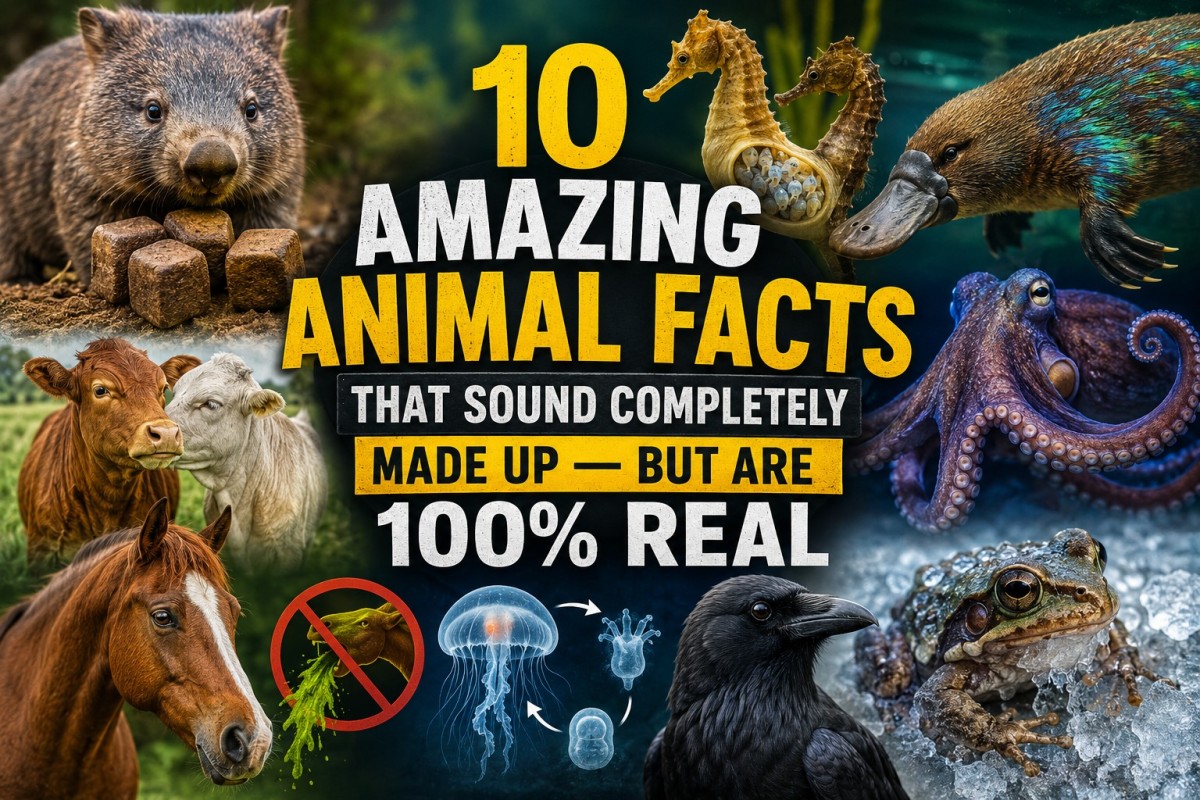
Here are 10 incredible animal facts that sound completely made up—but are surprisingly real.
🧊 1. Wombats Have Cube-Shaped Poop
Wombats produce cube-shaped droppings. Unlike most animals, their waste comes out with surprisingly sharp edges rather than round pellets.
But why cubes?
Wombats use their droppings to mark their territory, often leaving them on rocks, logs, and other elevated surfaces. The cube shape is useful because the pieces are less likely to roll away.
Scientists believe the unusual shape is created by differences in the elasticity of sections of the wombat’s intestine as the waste moves through it.
Nature really invented poop bricks.
🤰 2. Male Seahorses Get Pregnant
Seahorses turn the usual animal pregnancy story upside down.
The female seahorse deposits her eggs into a specialized pouch on the male’s body. The male then fertilizes the eggs and carries the developing embryos inside his pouch.
When the babies are ready to emerge, the male goes through powerful muscular contractions that help push the tiny seahorses into the water.
In other words, in seahorses, Dad is the one who gives birth.
🌌 3. Platypuses Glow Under UV Light
The platypus is already one of Earth’s strangest animals—but it has another secret.
Under ultraviolet light, its normally brown fur can appear blue-green.
This phenomenon is called biofluorescence, in which an animal absorbs ultraviolet light and re-emits it at a different wavelength.
Scientists have observed this phenomenon in platypuses, although its exact biological purpose remains uncertain.
So beneath the right light, this bizarre mammal basically gets a glowing makeover.
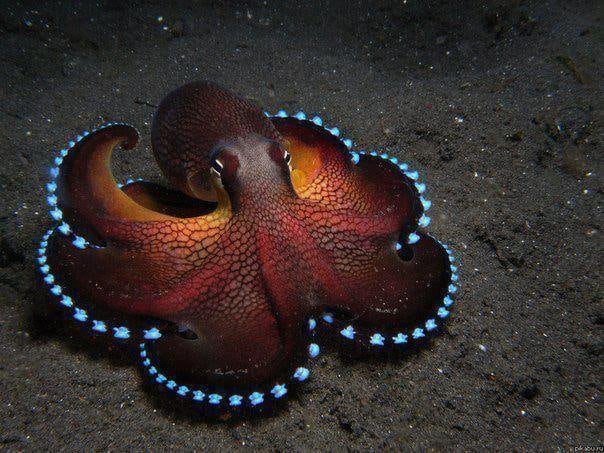
💙 4. Octopuses Have Three Hearts and Blue Blood
If having eight arms wasn’t strange enough, octopuses also have three hearts.
Two hearts pump blood toward the gills, while the third pumps oxygenated blood throughout the rest of the body.
And their blood is blue.
That’s because octopuses use a copper-containing protein called hemocyanin to transport oxygen instead of the iron-containing hemoglobin found in humans.
There’s another fascinating twist: when an octopus swims, its main systemic heart temporarily stops beating.
No wonder octopuses often prefer crawling instead of swimming.
🐄 5. Cows Can Have Best Friends
Cows aren’t just wandering around fields randomly.
Research suggests that cows can form strong social preferences and bonds with particular members of their herd. They may spend more time near preferred companions and can become more stressed when separated from familiar animals.
In other words, cows can have something remarkably similar to a favorite friend.
So the next time you see two cows standing together in a field, they might not just be neighbors.
They could be best buddies.
🐴 6. Horses Cannot Vomit
Horses have a peculiar limitation: they are essentially unable to vomit.
Their anatomy includes a very strong muscular structure at the entrance to the stomach that makes backward movement of stomach contents extremely difficult. Their digestive system is designed primarily to move food in one direction.
This is one reason digestive problems in horses can become particularly serious.
A horse may look perfectly ordinary from the outside, but its digestive system works in a surprisingly unusual way.
♻️ 7. One Jellyfish Can Essentially Reset Its Life Cycle
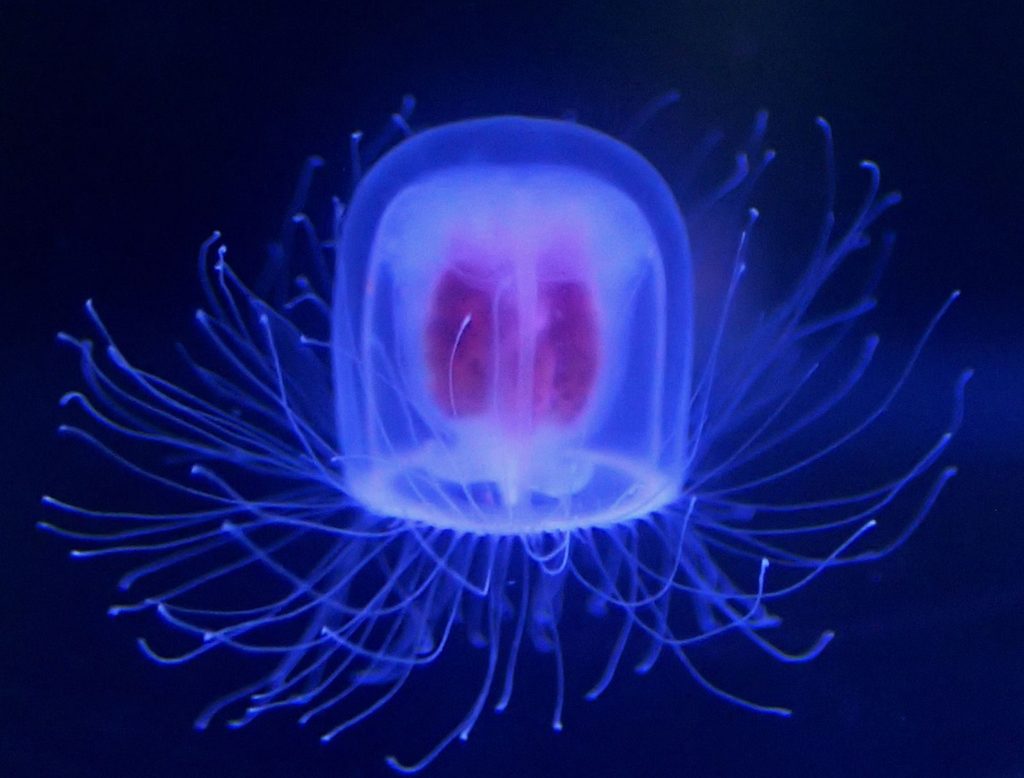
Meet Turritopsis dohrnii, often nicknamed the immortal jellyfish.
When stressed, injured, or facing unfavorable conditions, this tiny jellyfish can undergo a remarkable transformation. Instead of simply continuing toward death, it can reverse its development and return to an earlier life stage.
It can then develop again.
Theoretically, this cycle could repeat multiple times, making the species biologically fascinating.
But there’s an important catch: “immortal” doesn’t mean impossible to kill. These jellyfish can still die from disease, predators, environmental conditions, or other causes.
Still, the ability to essentially press the biological reset button is extraordinary.
🐆 8. Cheetahs Cannot Roar
Despite being one of the world’s most famous big cats, the cheetah cannot produce the deep roar associated with lions and tigers.
Instead, cheetahs communicate using sounds such as chirps, growls, hisses, purrs, and meow-like calls.
Their vocal anatomy differs from that of the roaring big cats.
So while a lion can unleash a dramatic roar across the savanna, a cheetah may sound surprisingly similar to a very large—and very fast—house cat.
Fastest land animal? Yes. Roaring king of the jungle? Not quite.
🐦 9. Crows Can Remember Human Faces
Crows may look like ordinary birds, but their memories are extraordinary.
Research has shown that crows can recognize individual human faces and remember people associated with threatening experiences for years.
Even more fascinating, crows can communicate information about potential threats to other members of their group.
This means that if a crow learns that a particular person is dangerous, other crows may also become wary of that person.
So if you ever upset a crow, don’t assume it simply forgot about you five minutes later.
That bird might remember.
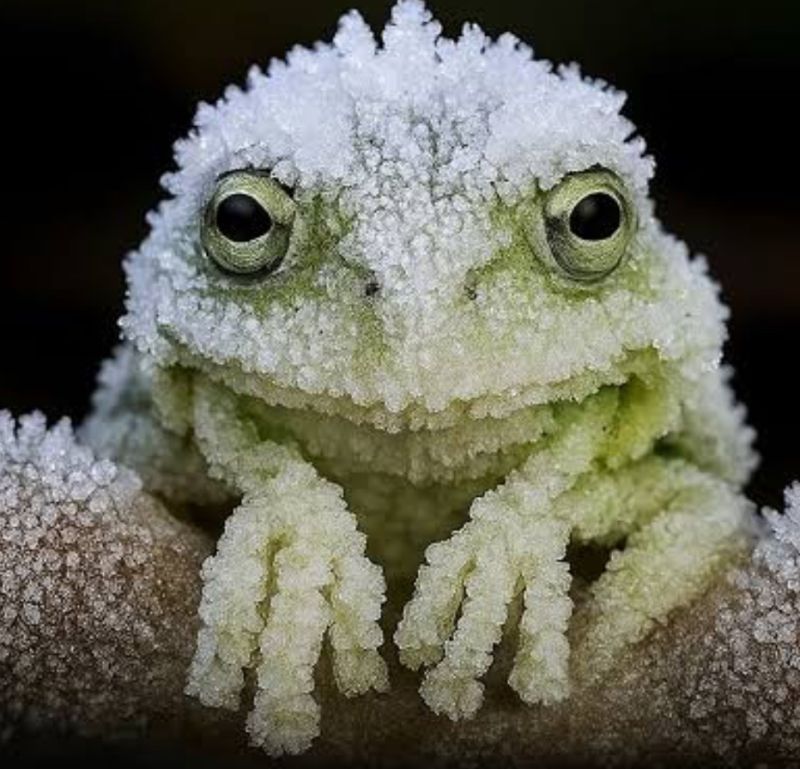
🐸 10. Wood Frogs Can Freeze Solid in Winter
This might be the most unbelievable fact on the list.
The wood frog can survive having a large portion of its body water freeze during winter.
As temperatures drop, the frog’s heart stops beating and it stops breathing. Ice forms in much of its body, while special substances such as glucose help protect its cells from the damage that freezing could otherwise cause.
Then spring arrives.
The frog thaws, its heart begins beating again, and it resumes normal activity.
It’s essentially nature’s version of pause → freeze → thaw → continue.
🌎 Nature Is Stranger Than Fiction
From cube-shaped waste to blue blood and biological “reset buttons,” these animals show just how bizarre evolution can be.
The most amazing part?
None of these creatures needed science fiction to become extraordinary.
Their incredible abilities developed naturally over millions of years, helping them survive, reproduce, communicate, and adapt to their environments.
So the next time an animal looks ordinary, take a closer look.
You might be looking at one of nature’s strangest superheroes. 🐾