








🏔️ Introduction
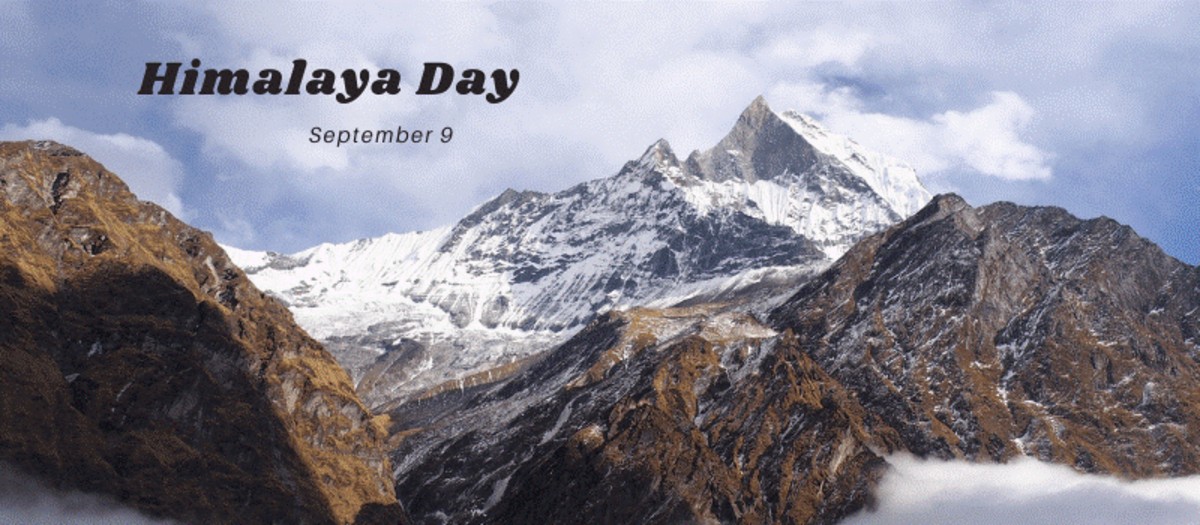
India observes Himalaya Day every year on September 9 to highlight the importance of the Himalayan region and promote its conservation. The Himalayas support millions of people, influence India’s climate and provide vital water resources. The day encourages people, governments and organisations to protect the fragile mountain ecosystem.
📜 History of Himalaya Day
Uttarakhand began observing Himalaya Day on September 9, 2015. The initiative aimed to increase public awareness about the environmental challenges facing the Himalayan region. The day also encourages communities to participate in protecting forests, rivers, wildlife and other natural resources across the mountains.
Over the years, Himalaya Day has developed into an important occasion for discussing sustainable development and environmental protection in the Himalayan states.
Also Read: Brazilian Model Larissa Responds to Allegations of Rahul Gandhi’s Vote Chori Connection
🌱 Why Is Himalaya Day Important?
The Himalayan ecosystem plays a crucial role in maintaining India’s environmental balance. Himalayan glaciers and rivers provide water to a large population across northern India. The mountains also contain rich biodiversity and support unique plants and animals.
However, climate change, deforestation, unplanned construction, pollution and increasing tourism put pressure on the region. Himalaya Day draws attention to these challenges and encourages people to adopt more sustainable practices.
💧 The Himalayas and Water Security
The Himalayas feed several major river systems, including the Ganga, Yamuna, Brahmaputra and their tributaries. Snow and glaciers store water and gradually release it into rivers.
Changes in temperature and glacier conditions can affect water availability and increase environmental risks. Protecting Himalayan forests, glaciers and wetlands can therefore help strengthen long-term water security.
🌍 Climate Change and the Himalayan Region
Climate change has increased concerns about rising temperatures, changing snowfall patterns and glacier loss in the Himalayan region. Extreme weather events can also increase the risks of floods, landslides and other natural hazards.
Himalaya Day reminds society that protecting mountain ecosystems also forms an important part of climate action.
🐾 Protecting Himalayan Biodiversity
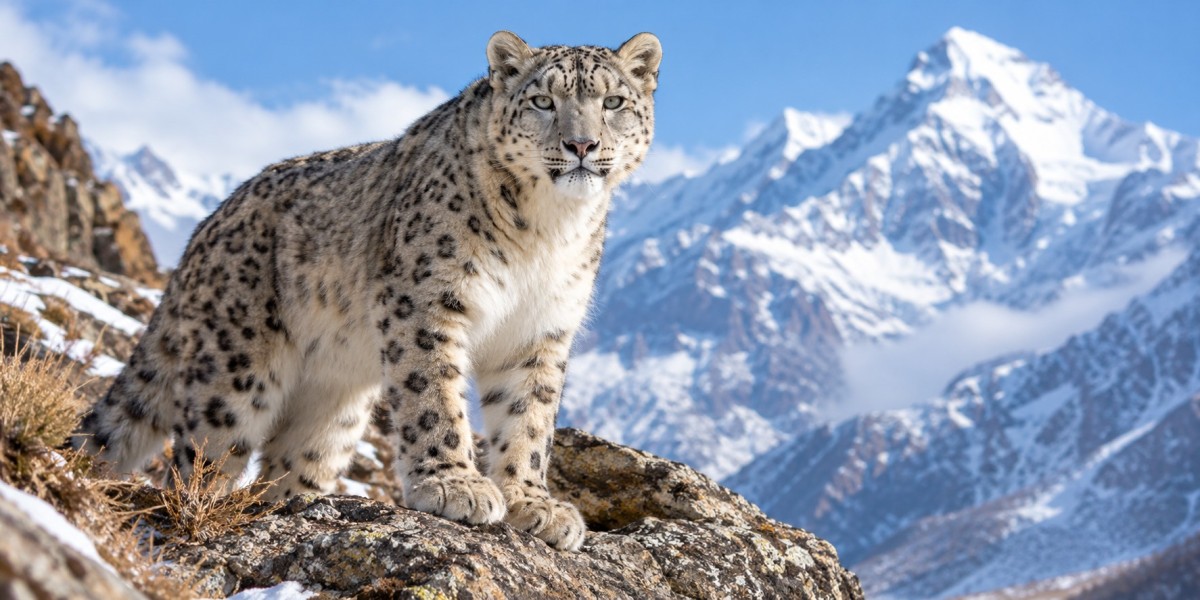
The Himalayan region supports many rare and endangered species, including the snow leopard, Himalayan monal, red panda and musk deer. Its forests and grasslands provide important habitats for wildlife.
Conservation programmes can protect these species while also supporting local communities that depend on forests and natural resources.
👥 Role of Local Communities
Local communities play an important role in protecting the Himalayan environment. They have traditional knowledge about forests, agriculture, water management and mountain ecosystems.
Governments and organisations can combine this local knowledge with modern scientific research to develop sustainable solutions. Responsible tourism, waste management, forest conservation and water harvesting can also reduce pressure on the mountains.
📢 How Can People Support Himalaya Conservation?
People can contribute to Himalayan conservation through simple actions:
- 🌱 Plant and protect native trees.
- 🚯 Avoid littering during mountain trips.
- ♻️ Reduce plastic use and manage waste responsibly.
- 💧 Conserve water and protect local water sources.
- 🏕️ Follow responsible and sustainable tourism practices.
- 🐾 Respect wildlife and natural habitats.
- 📚 Spread awareness about Himalayan conservation.
🔎 Himalaya Day 2026
Himalaya Day 2026, observed on September 9, provides an opportunity to focus on the long-term protection of one of India’s most important natural regions. The day encourages stronger environmental awareness and highlights the need to balance development with ecological protection.
🏁 Conclusion
Himalaya Day reminds us that the Himalayas are more than a mountain range. They support rivers, forests, wildlife, agriculture, communities and India’s broader ecological balance. By protecting the Himalayan environment today, society can help secure water, biodiversity and a healthier climate for future generations.