








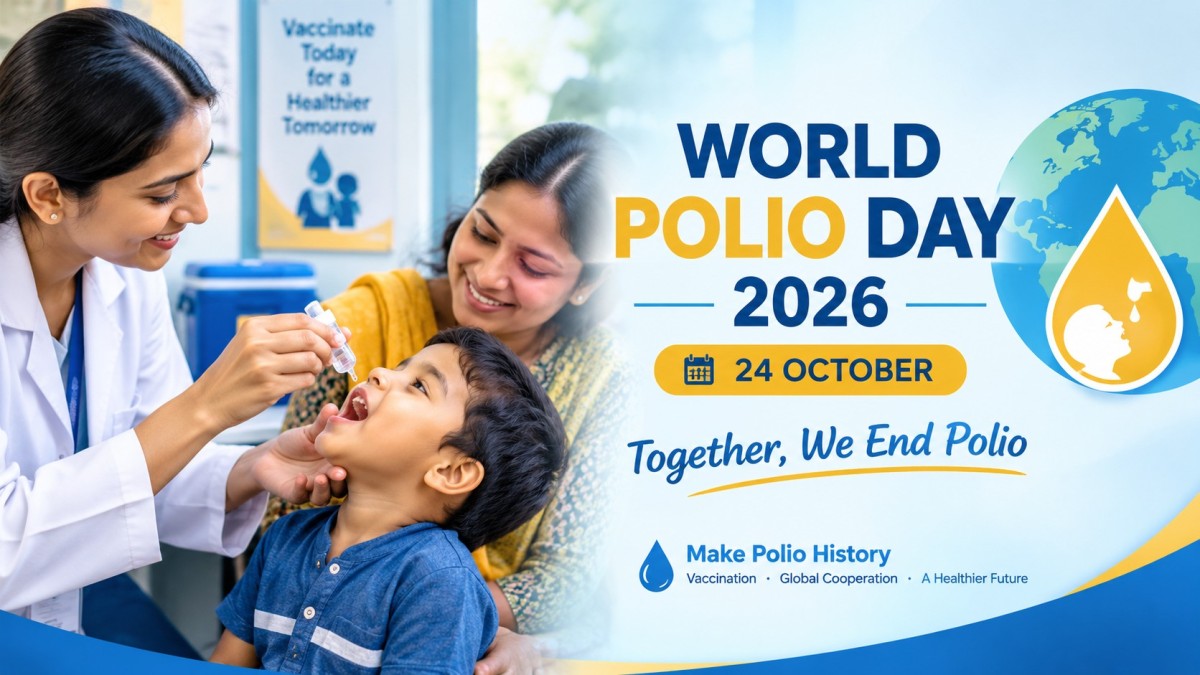
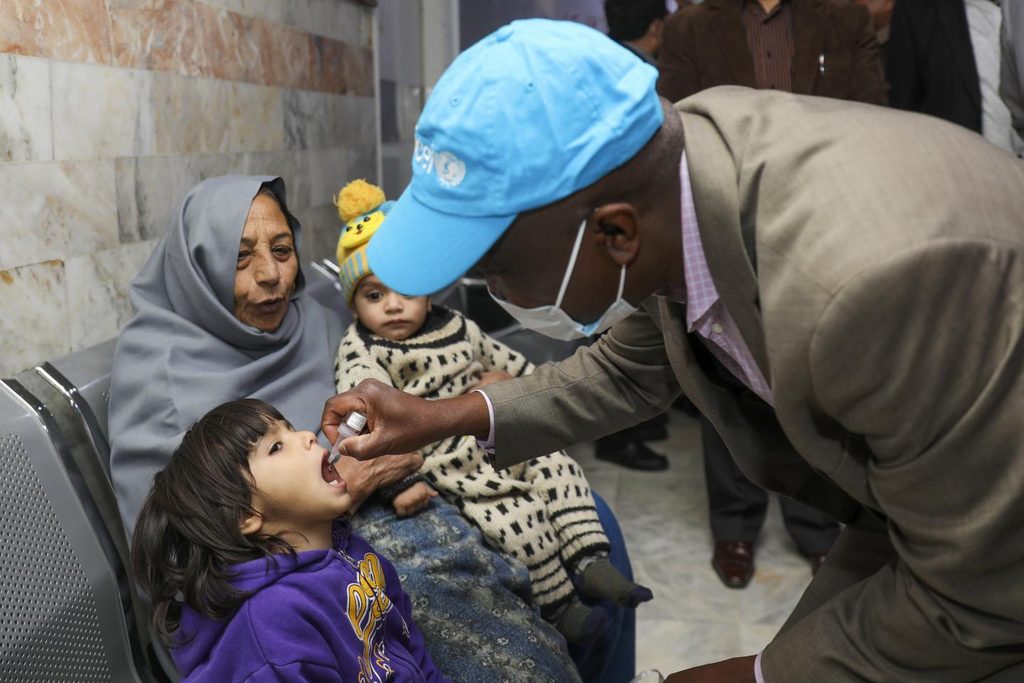
World Polio Day raises awareness about polio and encourages people to support global efforts to eliminate this disease. Every year, health organisations, governments and communities work together to protect children through vaccination. In 2026, World Polio Day falls on Saturday, October 24.
Although the world has made significant progress against polio, the fight is not over. Therefore, continued vaccination, public awareness and international cooperation remain essential to protect future generations.
📅 World Polio Day 2026: Date and Theme
World Polio Day takes place on October 24 every year. Here are the key details:
- Date: October 24, 2026
- Day: Saturday
- Purpose: To raise awareness about polio prevention and promote global eradication efforts.
The campaign theme or official message for 2026 should be confirmed through the relevant health organisation before publication. Meanwhile, the main focus remains clear: protect every child through vaccination and help build a polio-free world.
🌍 What Is World Polio Day?
World Polio Day is an international awareness day that highlights the importance of preventing poliomyelitis, commonly known as polio. It also recognises the efforts of healthcare professionals, volunteers and organisations that help protect communities.
Moreover, the day encourages parents to complete their children’s recommended vaccinations. As a result, families can help reduce the risk of infection and prevent future outbreaks.
📖 History of World Polio Day
World Polio Day honours Jonas Salk, who was born on October 24, 1914. He led the development of the first widely used successful polio vaccine, which marked a major milestone in public health.
Later, in 1988, the World Health Assembly adopted a resolution to eradicate polio. This decision led to the launch of the Global Polio Eradication Initiative.
Since then, vaccination programmes have significantly reduced polio cases worldwide. However, health organisations continue their work because poliovirus still threatens unprotected communities.
🎯 Significance of World Polio Day
World Polio Day plays an important role in global health. In particular, it encourages people to take practical steps towards polio prevention.
- Promotes vaccination: First, it encourages parents to ensure their children receive recommended polio vaccine doses.
- Raises awareness: In addition, it helps people understand how polio spreads and affects the body.
- Supports eradication: Furthermore, it encourages governments and health organisations to continue vaccination campaigns.
- Recognises health workers: It also highlights the dedication of healthcare workers and volunteers.
- Builds global cooperation: Finally, it reminds countries that they must work together to eliminate polio.
Therefore, World Polio Day helps keep public attention on a disease that vaccination can prevent.
🦠 What Is Polio?
Polio is a highly infectious disease caused by the poliovirus. It mainly affects children under five years of age. However, unvaccinated people of any age can also contract the infection.
The virus usually spreads through the faecal-oral route, often through contaminated food or water. In some cases, it attacks the nervous system and causes permanent paralysis.
Unfortunately, no specific cure exists for polio. Nevertheless, vaccination offers effective protection against the disease. For this reason, health experts continue to encourage routine immunisation and strong vaccination coverage.
💉 Why Is Polio Vaccination Important?
Vaccination remains the most effective way to prevent polio. It protects individuals and helps communities reduce the risk of outbreaks.
Health programmes mainly use two types of polio vaccines:
- Oral Polio Vaccine (OPV): Healthcare workers administer this vaccine as drops by mouth.
- Inactivated Polio Vaccine (IPV): Healthcare professionals administer this vaccine through an injection.
Both vaccines play important roles in polio prevention. Therefore, parents should follow the recommended immunisation schedule and consult healthcare professionals about their children’s vaccination needs.
Furthermore, high vaccination coverage helps stop poliovirus transmission and protects vulnerable children.
🇮🇳 India’s Role in Polio Eradication
India achieved a major public health milestone when the World Health Organization’s South-East Asia Region was certified polio-free in 2014.
The Pulse Polio Programme played a significant role in this achievement. Through nationwide vaccination campaigns, healthcare workers reached millions of children, including those in remote communities.
In addition, government agencies, volunteers and families helped spread awareness about vaccination. Their combined efforts contributed to India’s success.
However, India must continue vaccination and surveillance activities. These measures help protect the country against the risk of poliovirus reintroduction.
🌐 Global Efforts to Eradicate Polio
Several international organisations work together to eliminate polio. These include the World Health Organization (WHO), UNICEF, Rotary International and the Global Polio Eradication Initiative.
Their work includes providing vaccines, organising immunisation campaigns and monitoring the spread of poliovirus. Moreover, these organisations support communities during outbreaks and help countries strengthen their healthcare systems.
Afghanistan and Pakistan remain the last countries where wild poliovirus is endemic. Consequently, continued vaccination and international cooperation are essential to achieving worldwide eradication.
🤝 How Can We Help End Polio?
Everyone can contribute to the fight against polio. Even simple actions can help protect children and raise awareness.
- First, make sure children receive their recommended polio vaccinations.
- Additionally, share reliable information about polio prevention.
- Next, support local immunisation programmes and awareness campaigns.
- Meanwhile, encourage parents to consult healthcare professionals about vaccination.
- Finally, avoid spreading misinformation about vaccines and public health.
By taking these steps, individuals can help protect their communities. More importantly, every vaccinated child brings the world closer to a polio-free future.
❓ Frequently Asked Questions (FAQs)
1. When is World Polio Day 2026?
World Polio Day 2026 falls on Saturday, October 24.
2. What is the theme of World Polio Day 2026?
Check the official announcement from the relevant health organisation for the confirmed 2026 theme. Until then, avoid presenting an unverified slogan as the official theme.
3. Why do we celebrate World Polio Day?
People observe World Polio Day to raise awareness about polio, encourage vaccination and support global eradication efforts.
4. Can vaccination prevent polio?
Yes. Polio vaccines provide effective protection against the disease. Therefore, parents should follow the recommended immunisation schedule.
5. Is India free from polio?
India was declared polio-free as part of the WHO South-East Asia Region in 2014. However, the country continues vaccination and surveillance to maintain this achievement.
6. Which organisations work to eradicate polio?
WHO, UNICEF, Rotary International, the Global Polio Eradication Initiative and national governments all contribute to global polio eradication efforts.
📝 Conclusion
World Polio Day 2026 reminds us that the fight against polio requires continued commitment. Although vaccination programmes have achieved remarkable progress, gaps in immunisation can still put children at risk.
Therefore, governments, healthcare professionals and families must continue working together. Through vaccination, public awareness and international cooperation, we can protect future generations and move closer to a world without polio.